
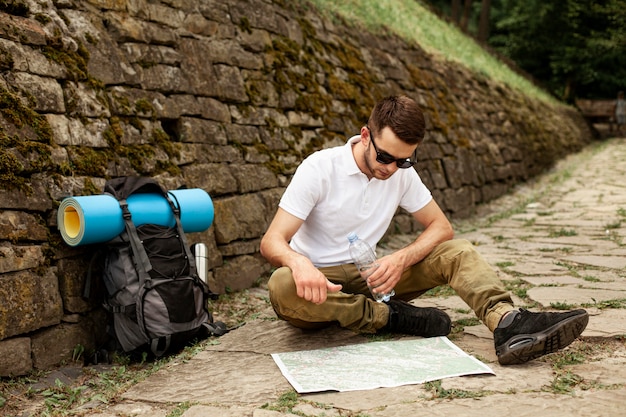
Embarking on your first journey into the mountains can be an exhilarating experience. The allure of towering peaks, breathtaking vistas, and the promise of adventure is irresistible. However, ensuring a successful trek requires some thoughtful preparation. Here’s a comprehensive guide on how to prepare for trekking at Journey Mountain, filled with first journey mountain tips and advice on essential gear for beginners.
Understanding Your Trek
Before setting out, it’s essential to have a clear understanding of the trek ahead. Research the specific trail you intend to hike. Are you looking at a gentle ascent, or does it promise steep inclines? Knowing the trail’s difficulty level helps you gauge your physical preparedness and the amount of gear you will need. Getting ready for your hike starts with familiarity. Review maps, read trail guides, and check for any recent trail conditions. Websites and forums can be valuable resources, offering insights from fellow trekkers who have recently explored the same route.
Physical Preparation
A successful trek begins with physical conditioning. Engage in regular exercise leading up to your trip, focusing on building endurance, strength, and flexibility. Incorporate cardiovascular workouts such as running, cycling, or swimming to boost your stamina. Strength training is also crucial; consider focusing on exercises that target your legs, core, and back, as these areas will be heavily utilized while navigating rugged terrain.
Additionally, practice hiking on local trails if possible. Gradually increase the distance and elevation to simulate the conditions you’ll face at Journey Mountain. This will not only help you build physical strength but also allow you to test your gear and make any necessary adjustments.
Essential Gear for Beginners
When venturing into the mountains, having the right equipment is crucial for safety and comfort. Here’s a rundown of essential gear for beginners that should be included in your packing list:
- Footwear: A sturdy pair of hiking boots or shoes is non-negotiable. Look for footwear that offers good ankle support, traction, and waterproofing. Break them in on shorter walks to avoid blisters on the trail.
- Backpack: Invest in a comfortable backpack that fits well and has sufficient capacity for your gear. A daypack of 20-30 liters is usually sufficient for a single-day hike.
- Clothing: Layering is key when it comes to mountain trekking. Start with moisture-wicking base layers, add insulating mid-layers (like fleece), and finish with a waterproof and windproof outer layer. Don’t forget a hat, gloves, and a buff for sun protection and warmth.
- Navigation Tools: A reliable map and compass are essential, even if you plan to use a GPS device. Ensure you know how to read maps and use your compass before hitting the trails.
- Hydration: Staying hydrated is crucial. Carry a hydration bladder or water bottles that hold at least two liters of water. Consider bringing a portable water filter or purification tablets in case you need to refill from natural water sources.
- Food: Pack nutritious snacks that are easy to carry and consume on the go, such as energy bars, nuts, or dried fruit. If you plan on a longer hike, consider bringing a hearty lunch.
- First Aid Kit: Accidents can happen, so it’s wise to carry a basic first aid kit with bandages, antiseptic wipes, pain relievers, and any personal medications you may need.
- Emergency Gear: Bring a multi-tool or knife, a flashlight or headlamp with extra batteries, and a whistle. A compact emergency blanket can also be a lifesaver in unexpected situations.
Mental Preparation
Just as vital as physical readiness, mental preparation sets the tone for your trek. Embrace the adventure and remain open to the unexpected. Conditions in the mountains can change rapidly, so maintaining a positive mindset and being adaptable is essential. Consider setting personal goals for your trek, such as reaching a specific viewpoint or simply enjoying the scenery along the way.
Planning Your Trek
Before heading out, map out your itinerary. Know the estimated distance, elevation gain, and expected duration of your hike. Communicate your plans to a friend or family member, and let them know when you expect to return. This simple step can be crucial for safety.
Also, consider the weather forecast for your trekking day. Mountains can experience swift and unpredictable weather changes, so prepare for all conditions. If storms are predicted, it might be best to reschedule your trek.
Conclusion
Preparing for your first journey mountain trek is an exhilarating adventure in itself. With the right knowledge, training, and gear, you’ll be well-equipped to tackle the challenges ahead. Focus on how to prepare for trekking, stay fit, and ensure you have all essential gear for beginners in your arsenal. By following these first journey mountain tips, you’re not just getting ready for your hike—you’re setting the stage for an unforgettable experience in the majestic wilderness of Journey Mountain. Happy trekking!


More Stories
Chasing Peaks: Transformative Mountain Hiking Adventures Around the Globe
Escape the Ordinary: Embark on Unforgettable Adventure Trips
Conquer the Peaks: Unleashing the Adventurer’s Soul through Mountain Hiking